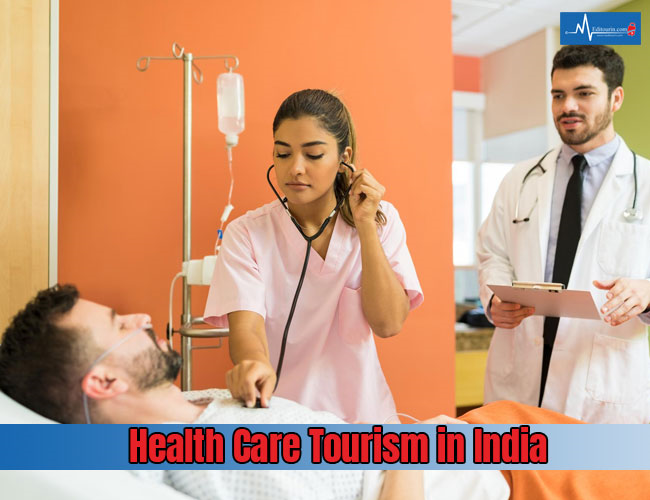
When it comes to seeking quality healthcare, advanced medical procedures, and wellness solutions at competitive costs, India has emerged as a preferred destination for patients from around the world. With modern hospitals, experienced medical professionals, advanced technology, and a wide range of treatment options, the country offers a comprehensive healthcare experience for international patients.
Health Care Tourism in India brings together medical expertise, modern infrastructure, personalized care, and wellness opportunities under one umbrella. From complex surgeries and specialized treatments to preventive healthcare and holistic wellness programs, India offers diverse solutions for people looking for reliable healthcare services.
Why Choose India for Healthcare?
India has developed a strong healthcare ecosystem that combines experienced doctors with modern medical infrastructure. Many healthcare institutions provide specialized departments covering cardiology, oncology, orthopedics, neurology, organ transplantation, fertility, cosmetic procedures, and other medical specialties.
One of the major advantages is the availability of qualified healthcare professionals. Indian doctors are known for their extensive academic backgrounds, clinical experience, and exposure to advanced treatment techniques. Many specialists have also received international training or worked with healthcare institutions across different countries.
Another important factor is affordability. Compared with several developed countries, many medical procedures in India can be more cost-effective while maintaining high standards of clinical care. This makes India an attractive destination for patients who want access to advanced treatment without necessarily facing the extremely high expenses associated with treatment in some countries.
A Wide Range of Treatment Options
One of the reasons Health Care Tourism in India continues to attract attention is the diversity of healthcare services available. International patients can explore treatment options according to their medical requirements, budget, and preferred healthcare institution.
Commonly sought services include:
- 1. Cardiac care and heart-related procedures
- 2. Orthopedic treatments and joint replacement
- 3. Cancer diagnosis and treatment
- 4. Neurological and neurosurgical care
- 5. Dental treatment
- 6. Fertility and reproductive healthcare
- 7. Cosmetic and reconstructive procedures
- 8. Ophthalmology
- 9. Gastroenterology
- 10. General and specialized surgery
- 11. Preventive health checkups
- 12. Wellness and rehabilitation programs
The availability of multiple specialties allows patients to coordinate different aspects of their healthcare journey through a single destination.
Exploring India's Hospital Infrastructure
India is home to numerous renowned healthcare institutions equipped with advanced diagnostic and treatment facilities. Patients can choose healthcare providers based on their medical condition, specialty, location, infrastructure, doctor expertise, and treatment requirements.
When researching the
best hospitals in India, patients should look beyond popularity alone. Important factors include the hospital's specialization, accreditation, available technology, doctor credentials, infection-control practices, patient support services, treatment costs, and international patient facilities.
A professional healthcare facilitator can also help patients understand their options and communicate with hospitals before making a decision.
Beyond Conventional Healthcare
Healthcare tourism is not limited to hospital-based procedures. India also has a long-standing tradition of holistic wellness and natural approaches to health.
For individuals interested in complementary wellness programs,
naturopathy treatment in India can provide an opportunity to explore lifestyle-based approaches involving nutrition, yoga, relaxation, physical activity, and other wellness practices. Such programs may appeal to people seeking preventive care, rejuvenation, stress management, or holistic wellness.
However, patients should always discuss their medical history and existing treatments with qualified healthcare professionals before starting any complementary or alternative therapy. Wellness programs should complement appropriate medical care rather than replace necessary diagnosis or treatment.
How Medical Tourism Companies Can Help
Planning healthcare in another country can feel complicated. Patients may need help comparing hospitals, understanding treatment options, arranging appointments, organizing travel, coordinating accommodation, and managing communication.
This is where professional
medical tourism companies in India can play an important role. A reliable facilitator can act as a bridge between international patients and healthcare providers.
Typical support may include:
- Understanding the patient's healthcare requirements.
- Identifying suitable hospitals or specialists.
- Collecting medical reports for preliminary consultation.
- Coordinating appointments.
- Helping patients understand estimated treatment costs.
- Assisting with travel and accommodation arrangements.
- Supporting communication during the healthcare journey.
- Providing follow-up coordination when required.
Patients should carefully evaluate a healthcare facilitator's transparency, experience, communication standards, and range of services before choosing one.
Planning Your Healthcare Journey
A successful healthcare journey begins with proper preparation. Patients should collect relevant medical records, diagnostic reports, prescriptions, previous treatment details, and identification documents before contacting hospitals or healthcare facilitators.
It is also useful to prepare a list of questions for the doctor. Patients can ask about the recommended procedure, expected recovery period, possible risks, alternatives, estimated expenses, hospitalization requirements, and follow-up care.
Treatment costs can vary significantly depending on the procedure, hospital, specialist, medical condition, length of hospitalization, and additional services. Therefore, patients should request a detailed estimate rather than relying on a general price mentioned online.
Travel planning is another important consideration. International patients may need to organize accommodation, transportation, local communication, and other practical requirements around their treatment schedule.
Personalized Care for International Patients
A healthcare journey becomes easier when patients receive personalized support. International patients may have concerns about language, unfamiliar healthcare systems, transportation, accommodation, and communication with medical teams.
Professional coordination can help reduce these challenges. From the initial consultation to hospital appointments and post-treatment assistance, organized support can make the experience more comfortable and manageable.
India's combination of medical expertise, modern healthcare facilities, diverse specialties, and wellness traditions provides patients with multiple possibilities. Nevertheless, healthcare decisions should always be based on professional medical advice and the patient's individual circumstances.
Frequently Asked Questions
1. Why is India popular for healthcare tourism?
India offers a combination of experienced medical professionals, advanced healthcare facilities, diverse specialties, and comparatively competitive treatment costs. These factors make it an attractive destination for international patients.
2. What treatments are commonly sought by international patients in India?
International patients commonly seek cardiac care, oncology, orthopedics, neurology, fertility treatment, dental procedures, ophthalmology, cosmetic procedures, and various surgical treatments.
3. How should I choose a hospital in India?
Consider the hospital's specialty, accreditation, medical team, technology, treatment experience, patient reviews, estimated costs, and international patient services. A qualified doctor or healthcare facilitator can also help you evaluate suitable options.
4. Is naturopathy suitable for everyone?
Not necessarily. Naturopathy and other wellness programs should be selected according to individual health circumstances. People with medical conditions should consult an appropriately qualified healthcare professional before beginning a new wellness program.
5. How can I prepare for treatment in India?
Keep your medical reports, prescriptions, diagnostic images, previous treatment information, and identification documents ready. Discuss your condition with the healthcare provider and obtain a clear treatment plan and cost estimate before traveling.
6. Can international patients receive assistance during their healthcare journey?
Yes. Depending on the provider, patients may receive assistance with hospital coordination, appointments, travel arrangements, accommodation, local transportation, communication, and follow-up coordination.
Making Healthcare Travel More Convenient
The growing interest in Health Care Tourism in India reflects the increasing demand for accessible, specialized, and personalized healthcare services. India offers a broad healthcare landscape where patients can explore advanced medical treatments alongside wellness and rehabilitation opportunities.
Choosing the right healthcare provider is an important decision, and patients should conduct appropriate research before beginning their journey. A trusted healthcare facilitator can simplify the process by connecting patients with suitable medical professionals and helping coordinate the practical aspects of treatment.
For patients seeking a more organized healthcare journey,
Meditourin aims to connect individuals with healthcare solutions and supportive services in India. With a focus on making the journey smoother,
Medical Tourism can become more convenient when patients receive appropriate guidance, transparent information, and coordinated support from consultation through follow-up care.